
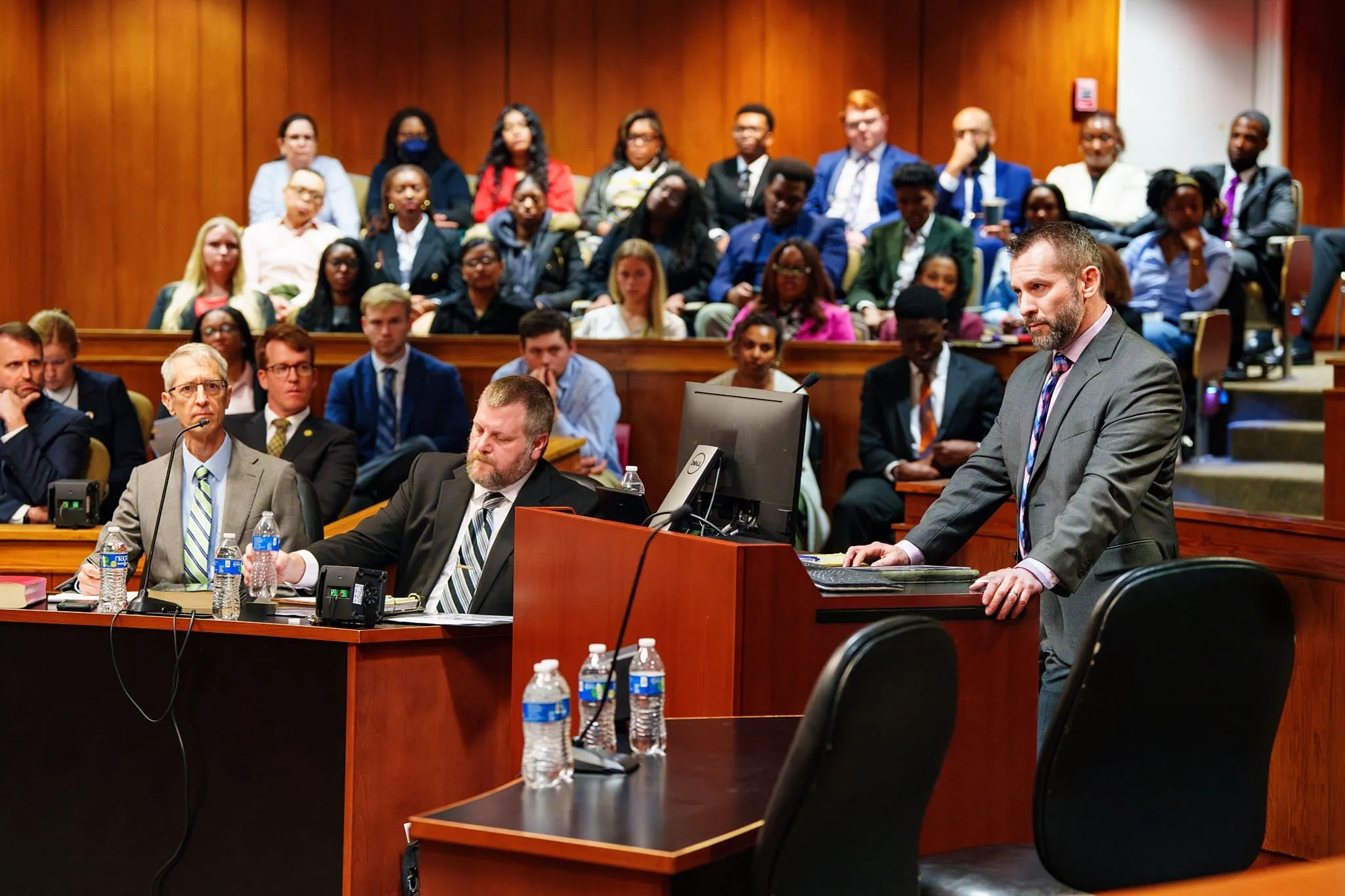
How to Prepare for the Oral Rounds
An oral round is not a speech. It is a conversation with judges in which you are expected to lead. The judges will interrupt you, test you and sometimes help you. Teams that win are the teams that have practiced answering, not only speaking.
First, learn the format
Read the oral round rules and answer these questions before you practice anything:
- How many speakers per team? How long does each speaker have?
- Are judges’ questions counted inside the time?
- Is there a rebuttal or surrebuttal? Who gives it, and how long is it?
- How many judges sit on the bench (often three)?
- Is a bundle, compendium or screen-sharing allowed?
- Is it in person or online?
- How are speakers scored (knowledge of law, use of facts, answers to questions, structure, style, courtesy)?
A typical team in a round gets about 20 to 25 minutes per speaker. Rules differ, so check them.
A simple preparation timeline
Start oral practice as soon as the memorial is submitted, not the night before the rounds.
| Time before rounds | Focus | What you do |
| 4 weeks | Learn your whole case | Re-read the memorial. Each speaker learns about every issue, not only their own |
| 3 weeks | Build the speech | Write a one-page outline per submission. Draft opening and closing lines |
| 2.5 weeks | First practice, at least 3 times everyday | Speak to teammates. Time yourself. Record on a phone |
| 2 weeks | Question practice, at least 4-5 times everyday | Teammates act as hostile judges. Build a bank of hard questions |
| 1 week | Mock rounds, at least 2-3 times everyday | 2 to 3 full mock rounds with seniors, teachers every day. Both sides |
| Last 2 days | Polish and logistics | Rebuttal practice. Tidy notes. Check clothes, tech, travel. And most importantly sleep. |
Split the issues smartly
- Give each speaker the issues that match their strengths, but do not let one speaker become the only expert on any topic.
- Agree on exact wording for common tests, so you do not contradict each other (“significant harm”, “effective control”, “written notice”). A judge may ask Speaker 1 about Speaker 2’s issue.
- The speaker who goes second usually gives the rebuttal, so they must listen carefully to the other side.
Prepare both sides
You will argue for both sides in different rounds. Prepare both equally. Write a one-page “enemy summary” of the other side’s best case. If you can explain the other side’s argument better than they can, you will beat it.
The priority method: build a flexible speech
Judges ask unpredictable numbers of questions. In one round you may be asked almost nothing. In another, questions may take up most of your time. So do not plan a fixed script. Give each point a priority:
| Priority | Meaning | Example (Torsa, 10 minutes) |
| 1 | Must say, always | The treaty is still in force because notice was invalid |
| 2 | Very important | Ulka breached Article 4 (flow below 40%) |
| 3 | Normal | General duty not to cause significant harm |
| 4 | Extra, only if time allows | Policy argument on trust in river treaties |
Watch the clock during the round. Skip Priority 4 first, then shorten 3, but never drop 1. This makes your speech look planned even when you cut it.
What notes to prepare
Never read a script. You must make enough eye contact and engagement with the judges. So, prepare:
- Speech outline. One page for each submission. Short bullets in large font. Write out the first sentence and last sentence of each submission in full, so you start and end smoothly.
- Authority cards. One card for each key source: name, pinpoint, short exact quote, what it proves.
- Fact sheet. Dates, numbers and paragraph references of the problem.
- Hard-questions sheet. The 15 to 20 toughest questions, with a two-line answer plan for each.
- Rebuttal sheet. A blank section where you write the other side’s points while they speak.
Write exact quotes in full so you do not misquote when you read them aloud.
How to build a question bank
- Each team member writes 15-20 questions per issue: the most difficult ones they can imagine.
- Sort them: facts, law, policy, hypothetical (“what if…?”), and “gotcha” (testing weak points).
- For each question, write: direct answer, one reason, one source. Prepare multiple answers.
- Practice them until the answers sound natural, not memorized.
Practice in realistic ways
- Speak it out loud. Reading silently is not practice.
- Time everything. Use a stopwatch on your laptop or phone.
- Record video of every practice session. Watch it once for content, once for delivery (speed, filler words, eye contact, hands).
- Use the “interrupter” game. A teammate cuts in every 60 to 90 seconds with a question. You answer, then return to your plan.
- Practice different judges. One silent judge, one very active judge, one friendly judge, one technical judge.
- Practice recovery. Ask a teammate to point out a deliberate mistake. Practice fixing it smoothly.
Mock rounds: how to get value
- Invite seniors, alumni, and your teachers. They are usually glad to help if you ask politely and give them time.
- Treat the mock like the real thing: formal dress, formal language, timekeeper, bench.
- Ask each judge to give two things to keep and two things to fix. Write them down.
- After each mock, fix the top two problems and nothing else. Trying to fix ten things at once does not work.
Voice, body and nerves
- Speak slowly. Most beginners speak too fast, and it hides their best points.
- Pause after important sentences. Silence feels long to you and normal to the judge.
- Remove filler words (“um”, “like”, “you know”). Pause instead.
- Stand straight, feet apart, hands relaxed or on the podium.
- Breathe in for four counts and out for six before you stand.
- Remember: the judge is not your enemy. The judge wants to understand the case and to test your thinking.
- Many students are taught to avoid disagreeing with seniors. In a moot, you may politely hold your position when a judge pushes back, if you can give a reason. Say “respectfully, my Lord”, then explain. A calm “no, because…” is better than an anxious “yes, maybe”.
Online rounds: extra checklist
- Test internet 24 hours before. Use a wired connection if you can. Keep a mobile hotspot ready.
- Camera at eye level. Look at the camera lens when you speak.
- Plain, quiet background with good light in front of your face (not behind).
- Keep notes on the same screen (split screen), not on paper held low.
- Charge the laptop. Keep the charger plugged in. Close other apps.
- Mute yourself when you are not speaking.
- Agree a backup plan with teammates if one person’s connection fails.
Logistics for in-person rounds
- Print notes and keep them in a folder in order.
- Business formal clothes. Dark suit or formal dress, neat and simple.
- Water, spare pens, charged phone (but switched off in court), copies of your memorial.
- Reach the venue early. Traffic, bad weather and travel delays are real risks.
Copyright remains with the authors unless stated otherwise.
About the author

Founder, DraftLaw Research, Lund University