Introduction
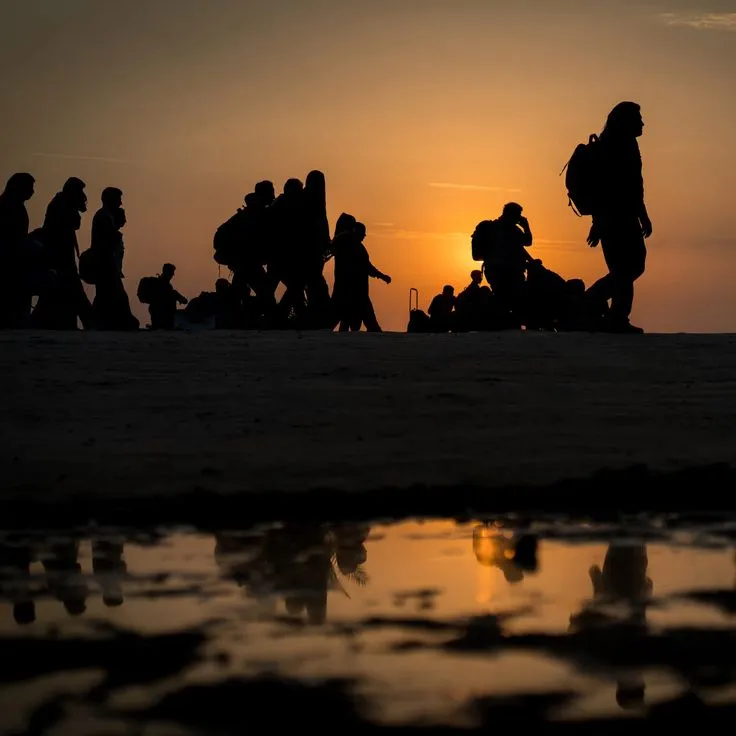
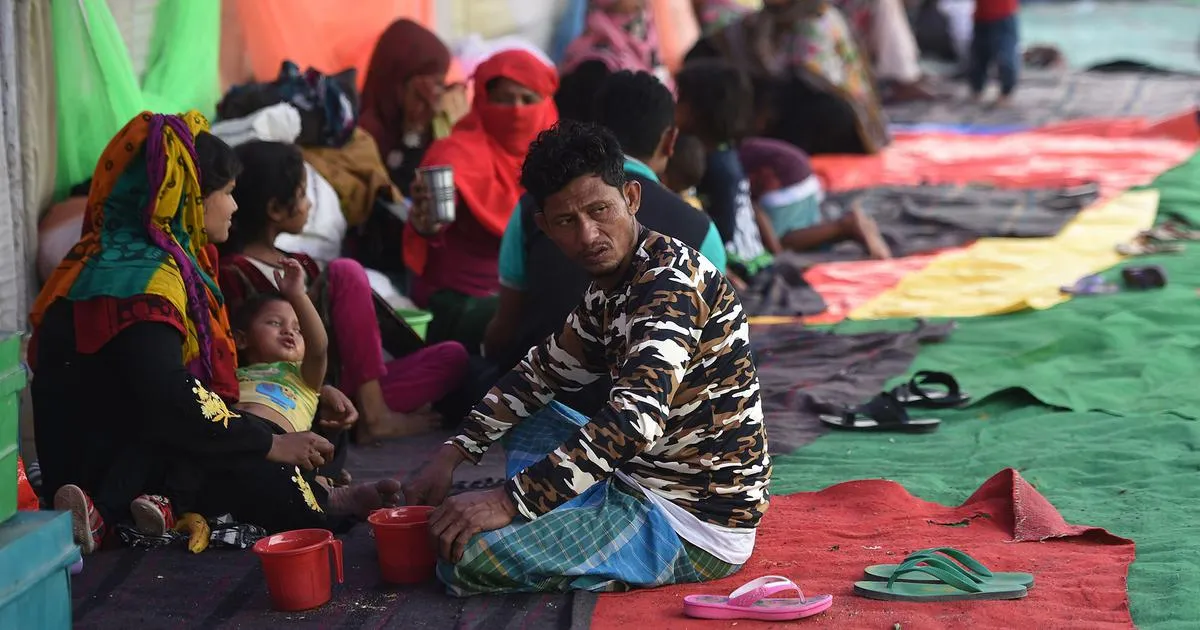
India is home to many people who have been forced to leave their countries, including Tibetans, Sri Lankan Tamils, Afghans, Rohingya and Chin communities. However, India still does not have a separate law dealing with refugees. It has also not joined the 1951 Refugee Convention or the 1967 Protocol.
At present, the protection given to refugees depends largely on government policy. Some groups may receive shelter and support, while others may face detention or deportation. This difference in treatment can be unfair and unpredictable. This article argues that India needs a clear domestic refugee law. Such a law would help protect people who are fleeing danger while allowing the government to maintain border security. India could introduce its own refugee law even without joining the Refugee Convention.
The Current Framework: Refugees Are Treated as Foreigners
Under Indian law, refugees are generally treated as foreigners rather than as a separate legal category. The Immigration and Foreigners Act 2025 gives the Central Government broad powers over the entry, stay and removal of non-citizens. Courts have also recognised that the government has authority to decide whether foreigners may remain in India.
Because there is no separate refugee law, humanitarian protection often depends on government decisions instead of clear legal rules. Tibetans and Sri Lankan Tamils, for example, have been accommodated in settlements and camps through administrative arrangements. Other refugees rely on the United Nations High Commissioner for Refugees (UNHCR). However, a UNHCR identity card does not automatically give a person a recognised legal status under Indian law or guarantee protection from detention.
The Citizenship (Amendment) Act 2019 does not solve this problem. It provides a route to citizenship for certain communities from three neighbouring countries on specified religious grounds, but it is not a general law for all people fleeing persecution. Other vulnerable groups may therefore remain without a clear system of protection.
What Have the Courts Said?
Indian courts have tried to protect refugees through constitutional principles, although their decisions have not always been consistent. Foreigners do not have a fundamental right to live permanently in India, but Article 21 of the Constitution protects the life and personal liberty of every person.
In the Chakma case, the Supreme Court stopped the State of Arunachal Pradesh from forcibly evicting a refugee community without proper protection. The Court emphasised that the State must protect the life and liberty of every human being, whether or not they are Indian citizens. The Gujarat High Court also recognised the importance of non-refoulement. This principle means that a person should not be sent back to a country where they may face serious danger.
However, court protection is not always certain. In 2021, the Supreme Court declined to grant interim relief to Rohingya detainees in Jammu and allowed deportation in accordance with the prescribed procedure. The decision showed the difficulties that arise when Indian law does not clearly define who is a refugee and what protection that person should receive. Without a specific law, outcomes can depend heavily on the facts of each case and the court’s approach.
International Law and the Constitution
International law also supports the need for refugee protection. Non-refoulement is widely recognised as an important principle of international law. It generally means that a person should not be returned to a place where they face a real risk of persecution, torture or other serious harm.
India is a party to the International Covenant on Civil and Political Rights (ICCPR). Its protections against torture and cruel treatment are relevant when deciding whether someone can safely be returned to another country. Article 51(c) of the Indian Constitution also directs the State to respect international law and treaty obligations.
Indian courts have sometimes relied on international legal principles when interpreting constitutional rights, provided those principles do not conflict with domestic legislation. However, an international treaty does not always create directly enforceable rights in India unless it is implemented through domestic law. This leaves an important gap. Courts can offer protection in individual cases, but Parliament is better placed to create a consistent system that applies to everyone.
Three Problems with the Current System
- First, unequal and unpredictable treatment. Some refugee groups receive camps and support, while others may be detained or deported. There are no clear, publicly stated rules explaining why different groups are treated differently. This raises concerns under Article 14 of the Constitution, which guarantees equality before the law to every person.
- Second, no clear process for deciding refugee claims. India does not have a dedicated domestic procedure for determining whether someone qualifies as a refugee. A person escaping violence may have no clear legal process through which to explain their situation before being removed. They may also face detention without a proper opportunity to challenge how they have been classified.
- Third, uncertainty about basic needs and rights. Without recognised refugee status, people may struggle to obtain lawful work, education, formal banking and healthcare. This can force them into informal employment and leave them open to exploitation. It also makes it harder for the government to keep reliable records and plan public services or security measures.
Responding to Security Concerns
One major concern about a refugee law is national security. India has porous borders and faces regional instability, so the government has legitimate reasons to check who enters and remains in the country. Some may also worry that a refugee law would encourage more people to come to India.
However, having a law does not mean that everyone must automatically be allowed to stay. The Refugee Convention excludes certain people, including those suspected of serious crimes such as war crimes, and allows restrictions in specific national-security situations. India could include suitable safeguards in its own law.
For example, a domestic law could require registration, identity checks and security screening. It could also set out clear grounds for refusing protection, with decisions supported by reasons and subject to appropriate review. A proper registration system could help the government identify and monitor people more effectively. In this way, refugee protection and national security need not be treated as opposing goals.
What Should an Indian Refugee Law Include?
Earlier efforts to develop a refugee law in India show that the idea has been discussed for many years. A practical law should include five important features.
- First, it should clearly define who qualifies as a refugee, focusing on persecution or serious harm rather than religion, nationality or country of origin. It could also consider protection for people fleeing widespread violence.
- Second, it should establish an independent authority to examine refugee applications. Applicants should have a fair chance to explain their circumstances and should be able to appeal decisions or seek judicial review.
- Third, the law should recognise the principle of non-refoulement and clearly explain any limited exceptions, particularly those connected with national security.
- Fourth, people waiting for a decision, as well as those recognised as refugees, should have access to basic protections such as work, education and healthcare.
- Finally, the law should provide long-term solutions. These may include voluntary return when it is safe, integration into the local community where appropriate, or resettlement in another country.
Conclusion
India has a long history of providing shelter to people escaping difficult circumstances. Indian courts have also recognised that human dignity and the right to life are not limited to citizens. Yet when refugee protection depends mainly on government discretion or individual court cases, it can be uncertain and unequal.
A separate refugee law would not mean that India must surrender control over its borders. Instead, it would create clear rules for identifying refugees, examining their claims, protecting people from being returned to serious danger and addressing genuine security concerns. It would also give refugees greater certainty about their basic rights and responsibilities.
As displacement continues across the region, India needs a fair, practical and consistent legal framework. A domestic refugee law could balance humanitarian responsibility with national security and replace uncertainty with a transparent system.
- refugee law
- non-refoulment
- human rights
- constitutional protection
Cite this article
Lokesh Aggarwal, 'Refuge Without a Statute: Why India Needs a Domestic Refugee Law' (DraftLaw Research, 23 October 2026) <https://draftlawresearch.org/articles/refuge-without-a-statute-why-india-needs-a-domestic-refugee-law/>
Copyright remains with the authors unless stated otherwise.
About the author

Undergraduate Student in Law , Maharishi Markandeshwar (deemed to be university)